
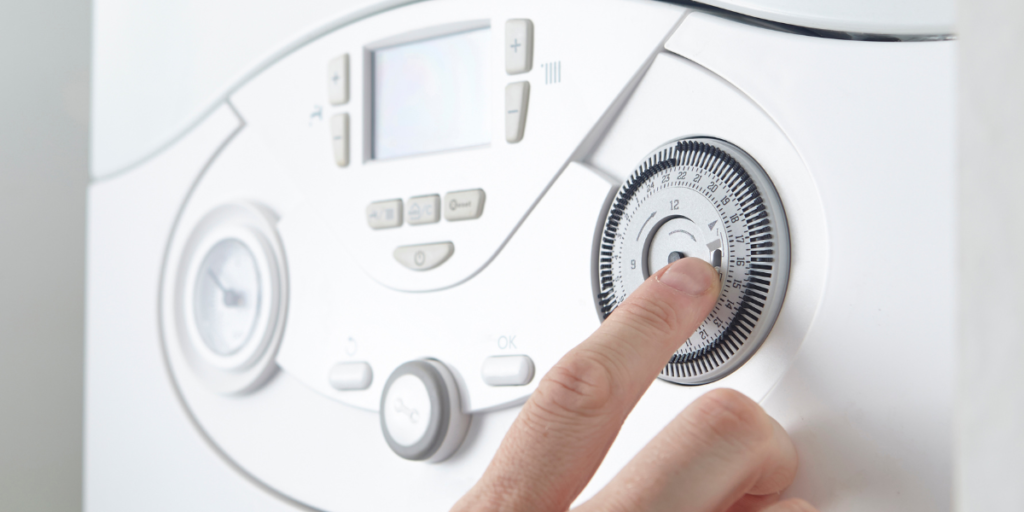

The Ideal boiler L1 fault code appears when your heating system detects either overheating in the flow temperature or insufficient water flow through the boiler. This safety lockout stops operation to protect the heat exchanger and leaves you without central heating or hot water until resolved.
What does the Ideal boiler L1 fault code mean?
The Ideal boiler L1 fault code means the boiler has detected incorrect flow water temperature or no proper water circulation. The system locks out safely because continued operation could cause damage or inefficiency.
What causes the L1 fault code on your Ideal boiler?
Several common circulation and temperature problems can trigger the L1 fault code on your Ideal boiler. The main causes usually involve a faulty pump, low pressure or issues with the flow temperature sensor. Sludge blockages or air in the system also frequently contribute.
Persistent error codes like the L1 can signal deeper wear that leads to bigger repair bills. Many of our customers at Eazy Heat decide at this stage to invest in a new boiler which saves money in the long term through fewer call outs and better efficiency.
Faulty or Seized Circulation Pump
A faulty or seized circulation pump is one of the most frequent causes of the L1 fault code. The pump pushes hot water from the boiler through the radiators and back again. When it fails, runs slowly or gets blocked with sludge the water flow slows or stops causing the boiler to overheat and lock out.
This happens more in older systems or those that have not had regular servicing.
How to Fix
- Turn off the boiler at the power switch and allow it to cool completely.
- Listen near the pump when you reset the boiler. A healthy pump makes a gentle humming sound while a seized one may be silent or noisy.
- Bleed all radiators thoroughly starting from the highest point in the house to release any trapped air.
- Check and top up system pressure to between one and one point five bar if low.
- Reset the boiler and test heating on a high setting for twenty minutes while monitoring for the fault.
- If the pump still does not run or the L1 returns book a Gas Safe engineer visit.
- The engineer tests the pump electrically and for flow then replaces it with a compatible model flushes the system if needed and rebalances the radiators.
Low System Water Pressure
Low system water pressure often triggers the L1 error code by reducing water flow through the heat exchanger. When pressure drops too low the boiler cannot circulate water effectively so temperatures rise quickly and the lockout activates.
This can result from small leaks, natural loss after bleeding radiators or a faulty pressure relief valve.
How to Fix
- Check the pressure gauge on the front of the boiler when the system is cold.
- If below one bar locate the filling loop, usually a flexible hose with valves underneath the boiler.
- Open the valves slowly while watching the gauge until it reaches one point two to one point five bar then close them firmly.
- Bleed any air from the radiators introduced during filling.
- Reset the boiler and test heating while monitoring the pressure gauge.
- Check the gauge daily for the next week. A quick drop indicates a leak needing professional attention.
- If pressure holds but the fault returns call a Gas Safe engineer to investigate further.
Faulty Flow Temperature Sensor
A faulty flow temperature sensor causes the L1 fault when it sends incorrect readings to the control board. This small sensor measures how hot the water is as it leaves the boiler. If it fails or gets covered in scale it may report temperatures that are too high triggering the lockout even when the system is fine.
How to Fix
- Turn off the boiler power and allow full cooling.
- Do not attempt to remove or test the sensor yourself.
- Contact a Gas Safe registered engineer describing the fault.
- The engineer tests the sensor resistance and actual pipe temperatures.
- They replace the faulty sensor with a genuine Ideal part ensuring secure fitting.
- After replacement they run full temperature tests during operation.
- The engineer resets the boiler, provides a service report and advises on preventing scale in hard water areas.
If the L1 code keeps returning despite these steps your Ideal boiler may be showing its age. At Eazy Heat we support many homeowners and landlords who choose a modern replacement at this point for lasting reliability.
How to prevent future L1 fault codes on your Ideal boiler
Follow these steps to help prevent future L1 fault codes:
- Book an annual boiler service with a Gas Safe registered engineer to inspect the circulation pump, flow temperature sensor, heat exchanger, and other key components.
- Maintain the correct boiler pressure between 1 and 1.5 bar when the system is cold by checking the pressure gauge regularly.
- Bleed your radiators periodically to remove trapped air that can restrict water circulation and cause the boiler to overheat.
- Keep your heating system clean by installing a magnetic filter and ensuring corrosion inhibitor is added after any drain-down or system flush to minimise sludge build-up.
- Arrange a power flush if recommended, particularly if your radiators have cold spots or your boiler makes unusual noises, as these are common signs of sludge restricting water flow.
- Have circulation pump problems repaired promptly, including noisy operation, slow heating, or inconsistent radiator performance, before they lead to a boiler lockout.
- Avoid repeatedly resetting the boiler if the L1 fault returns, as this will not resolve the underlying circulation or temperature issue.
- Investigate recurring pressure loss as soon as possible, since leaks or expansion vessel problems can reduce water flow and increase the risk of overheating.
Routine servicing is the best way to prevent the Ideal boiler L1 fault code while extending the lifespan of your heating system. If the fault continues despite maintaining the correct pressure and carrying out regular maintenance, a Gas Safe registered engineer should inspect the boiler to identify the underlying cause.
Replace Your Vaillant Boiler Before Repair Costs Keep Growing
If your Vaillant boiler keeps displaying the F26 fault code, recurring gas valve or electronic control faults can be a sign that your boiler is becoming less reliable. While replacing individual components may restore operation, repeated repairs can soon become more expensive than investing in a modern, energy-efficient boiler.
At Eazy Heat, we make boiler replacement quick and straightforward for homeowners and landlords across the UK. Every installation is completed by experienced engineers and includes a market-leading 12-year parts and labour warranty, giving you long-term peace of mind and protection against unexpected repair bills.
With our online boiler quote tool, you can receive a fixed installation price in just a few simple steps. There’s no complicated process or lengthy home survey to arrange upfront. From your online quote to your professional installation, we take care of everything to make replacing your boiler as simple and hassle-free as possible.
Get your free online boiler quote today and find out how affordable it can be to upgrade to a reliable, high-efficiency boiler that delivers dependable heating, lower energy bills and peace of mind for years to come.
FAQs
Can I keep resetting my Ideal boiler when the L1 code shows?
Reset once after basic pressure checks but repeated resets without fixing the cause can hide serious circulation problems. Call an engineer for recurring faults.
How much does it cost to fix an Ideal L1 fault?
Simple pressure top ups are free but pump or sensor replacement typically costs between one hundred and four hundred pounds depending on the model and labour.
Will a new boiler stop L1 faults happening?
Modern boilers have improved pumps, better sensors and self diagnostics that greatly reduce circulation and temperature faults when serviced regularly.
Does hard water make Ideal L1 faults more common?
Yes, hard water areas see more scale related flow issues. Fitting a scale reducer helps protect the heat exchanger and sensors.
What should landlords do if a tenant reports an Ideal L1 code?
Arrange a Gas Safe check promptly to meet safety rules and restore heating. Eazy Heat offers flexible options for rental properties including full boiler replacements.