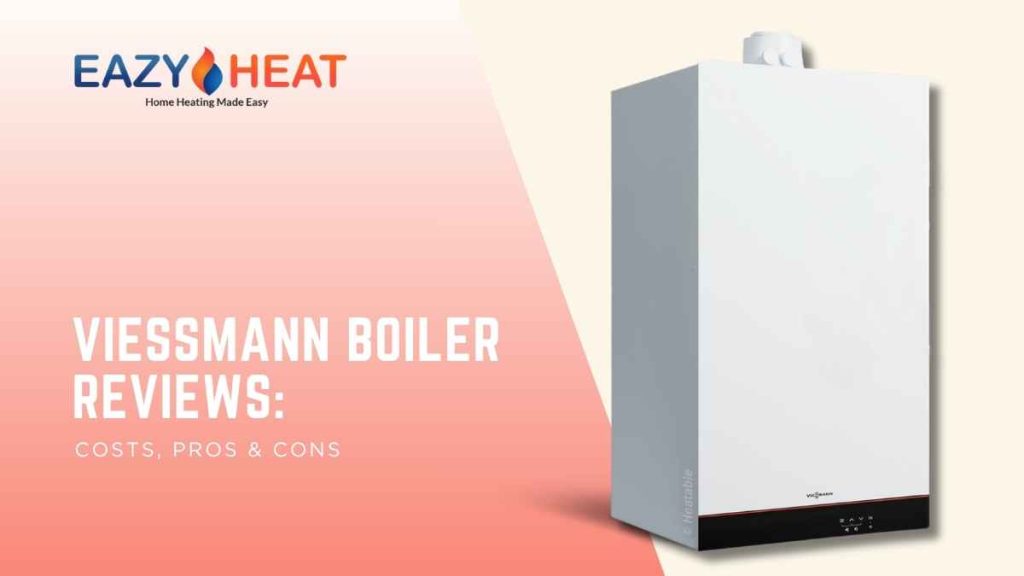
Viessmann Boiler Reviews: Costs, Pros & Cons
Viessmann has built a reputation as one of the most premium and reliable boiler brands available in the UK, and this Viessmann boiler reviews guide, I will explain exactly why…

We install combi, system and regular boilers. A combi is compact and heats water on demand, while system and regular boilers use a hot-water cylinder and can be better suited to homes with higher simultaneous demand.
A straightforward boiler swap can often be completed in one day. Changing boiler type, moving the boiler or making wider pipework upgrades may take longer, and the expected schedule will be confirmed before work begins.
Boiler output should be based on heat loss, property size, radiator demand and hot-water use. EazyHeat will recommend an appropriate model after reviewing your home and existing system.
Eligible boiler packages include a manufacturer warranty, with selected installations offering cover of up to 12 years. The exact term depends on the manufacturer, model and installation requirements.
Payment and finance options are available, subject to status and the package selected.
Yes. Gas boiler work is completed by appropriately qualified Gas Safe registered engineers, and the installation is tested and commissioned before handover.
Your engineer will normally disconnect and remove the existing boiler and associated installation waste as part of the agreed work. Any unusual access or disposal requirements will be discussed in advance.
We recommend an annual service. Regular servicing supports safe, efficient operation, can help identify problems early and will be required to keep the warranty valid.
The outdoor unit absorbs low-temperature heat from the air. A refrigerant circuit and compressor raise that heat to a useful temperature, which is then transferred to your radiators, underfloor heating and hot-water cylinder.
Yes. Modern heat pumps are designed to operate in low outdoor temperatures. Their efficiency changes with the weather, which is why accurate sizing and a well-designed heating system are important.
Eligible installations in England and Wales can receive £7,500 through the Boiler Upgrade Scheme. Eligible off-gas properties heated by oil or LPG can receive £9,000 until 31 March 2027. Different support is available in Scotland.
Many domestic installations take several days, depending on the system design and whether radiators, pipework, cylinders or electrical supplies require upgrading. Your project schedule will be confirmed after survey.
Possibly. Heat pumps normally run at lower water temperatures than boilers, so some radiators may need to be enlarged. Improving insulation can reduce heat loss and help the system operate more efficiently.
Yes, when designed as a full heating and hot-water system. A suitable hot-water cylinder is normally required because heat pumps do not produce instantaneous hot water in the same way as a combi boiler.
Running costs depend on your home, electricity tariff, existing fuel, insulation and system efficiency. EazyHeat will explain the assumptions used in your proposal rather than promising the same savings for every property.
An annual check is commonly recommended to maintain performance, identify wear and support warranty conditions. With correct installation and maintenance, heat pumps are designed for long service lives.
Savings depend on system size, roof orientation, shading, electricity prices and how much solar power you use in the home. A tailored proposal should include a generation estimate and clear assumptions rather than a guaranteed saving.
Solar panels can work without a battery, but storage can help you use more of the electricity generated during the day after the sun has gone down. The best choice depends on your usage pattern and budget.
Yes. Solar panels generate electricity from daylight rather than heat, although output is lower in dull weather and during shorter winter days than in bright summer conditions.
No. South-facing roofs often offer the highest annual yield, but east- and west-facing roofs can still produce useful energy. A survey will model your specific roof and shading conditions.
Most domestic rooftop installations are permitted development, but restrictions can apply to listed buildings, conservation areas, flat roofs and unusual locations. Planning responsibility should be confirmed before installation.
Many standard residential systems can be installed within one or two days once scaffolding and approvals are in place. Larger or more complex roofs and battery installations may require additional time.
Standard grid-connected solar systems normally shut down during a power cut for safety. Some compatible battery systems can provide backup power to selected circuits when designed and installed with the required equipment.
Solar panels have no moving parts and generally require limited maintenance. Monitoring can highlight performance issues, while occasional inspection and cleaning may be helpful where dirt, leaves or bird activity reduce output.
Manufacturers recommend servicing your panels every 12-24 months for maximal performance, and this can help further extend the lifespan of your panels.
Yes. Many modern split systems are reversible air-to-air heat pumps, so they can cool in summer and provide efficient room heating in cooler weather.
Running cost depends on the unit efficiency, room size, set temperature, insulation and operating time. Correct sizing and sensible temperature settings help avoid unnecessary energy use.
Quality indoor units can operate very quietly at low fan speeds, making suitable models practical for bedrooms. Outdoor unit placement is planned carefully to manage sound and meet relevant requirements.
A straightforward single-room split system can often be installed in one day. Multi-room systems or difficult cable and pipe routes may require longer.
Many domestic installations do not require a full planning application, but conditions and local restrictions can apply. Listed buildings, conservation areas, flats and prominent outdoor-unit locations may need additional checks.
Yes. A multi-split system can connect one outdoor unit to several indoor units, subject to capacity and pipe-run limits. Separate single-split systems may sometimes offer better flexibility or efficiency.
Regular servicing keeps filters, coils and drains clean, checks refrigerant performance and supports reliable operation. The recommended frequency depends on how heavily the system is used and the manufacturer’s requirements.
Bedrooms, loft conversions, conservatories, home offices and heavily glazed living areas often gain the most benefit. A survey will confirm the required output and best unit position for each room.
Charging time depends on the charger output, the vehicle’s onboard charger and battery size. A typical 7kW home wallbox can add substantially more range per hour than a standard three-pin socket.
A 7kW single-phase charger is the common choice for UK homes. The installer will confirm that the property supply and vehicle are suitable and whether load management is needed.
A straightforward installation can often be completed in a few hours. Long cable routes, groundworks, consumer-unit upgrades or parking complications can increase the time required.
Most domestic chargers use widely supported connectors, but compatibility should be checked against your vehicle. Tethered chargers include a fixed cable, while untethered units let you use your own compatible lead.
Yes. Compatible chargers can divert available solar surplus into the vehicle, although charging speed will vary with solar generation and household demand. A battery can add further flexibility.
Eligible renters, flat owners and households using approved cross-pavement solutions can currently receive up to £500. Grants are subject to detailed conditions and are available until 31 March 2027.
Private off-street parking is the usual requirement, but a new grant route supports eligible homes with on-street parking where an approved cross-pavement solution is installed. A cable must never create an unmanaged trip hazard.
Yes. Most smart chargers allow scheduled charging, and many can integrate with time-of-use tariffs. Your electricity supplier’s tariff rules and the charger’s supported features will determine the available savings.
Viessmann Boiler Reviews: Costs, Pros & Cons
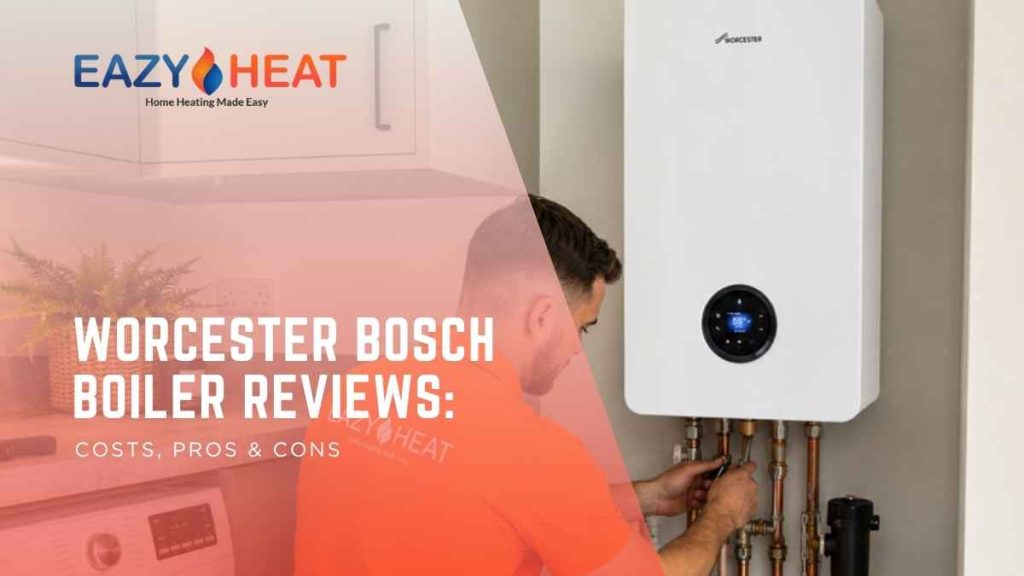
Worcester Bosch Boiler Reviews: Costs, Pros & Cons
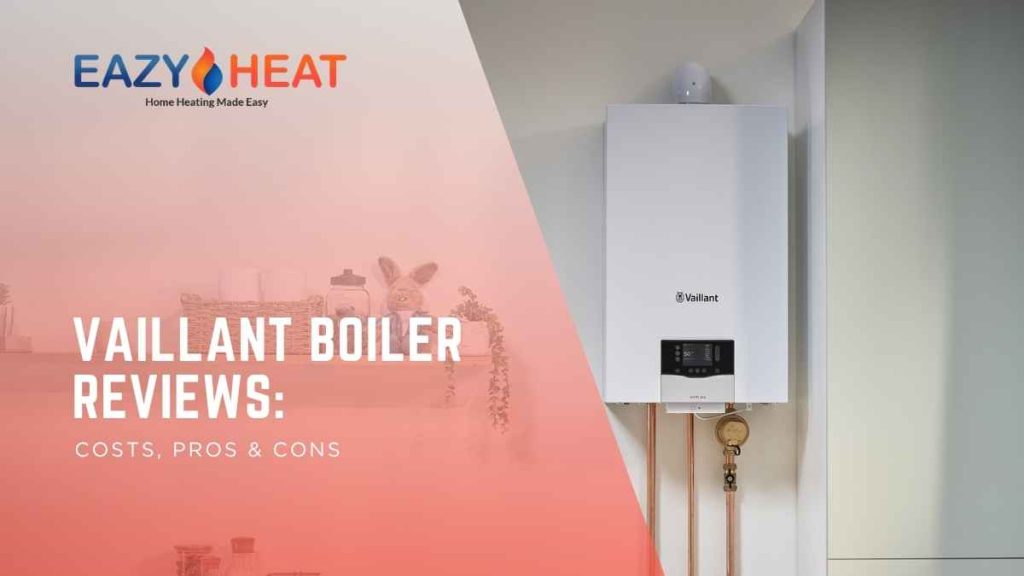
Vaillant Boiler Reviews: Costs, Pros & Cons
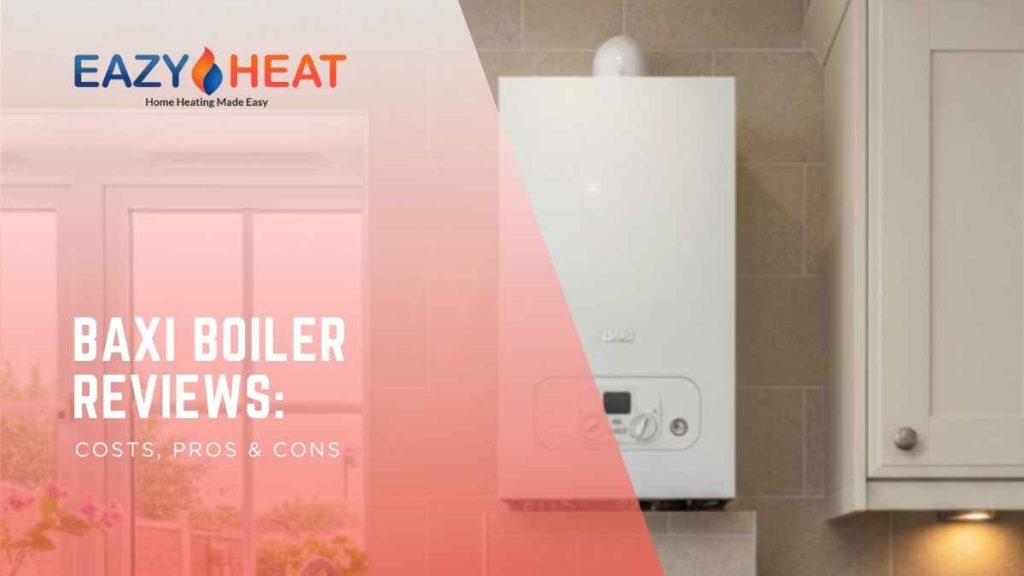
Baxi Boiler Reviews: Costs, Pros & Cons
Boiler PCB Faults: Causes & Fixes
Faulty Heat Exchanger In a Boiler: Causes & Fixes
Worcester Boiler A21 Fault Code Explained: Causes & How to Fix

Glow-Worm Boiler F75 Fault Code Explained: Causes & How to Fix
Glow-Worm Boiler F28 Fault Code Explained: Causes & How to Fix
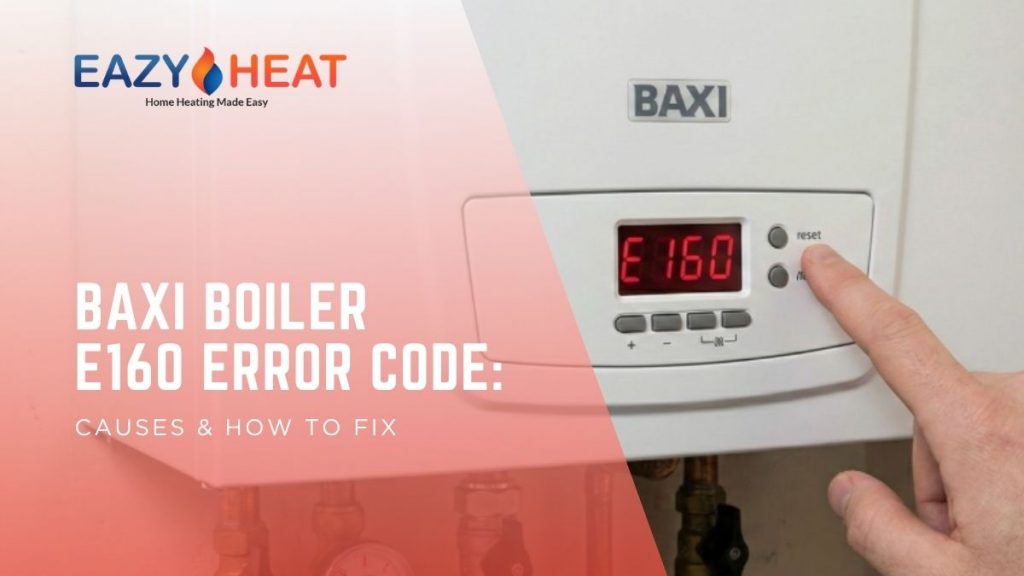
Baxi Boiler e160 Error Code: Causes & How to Fix
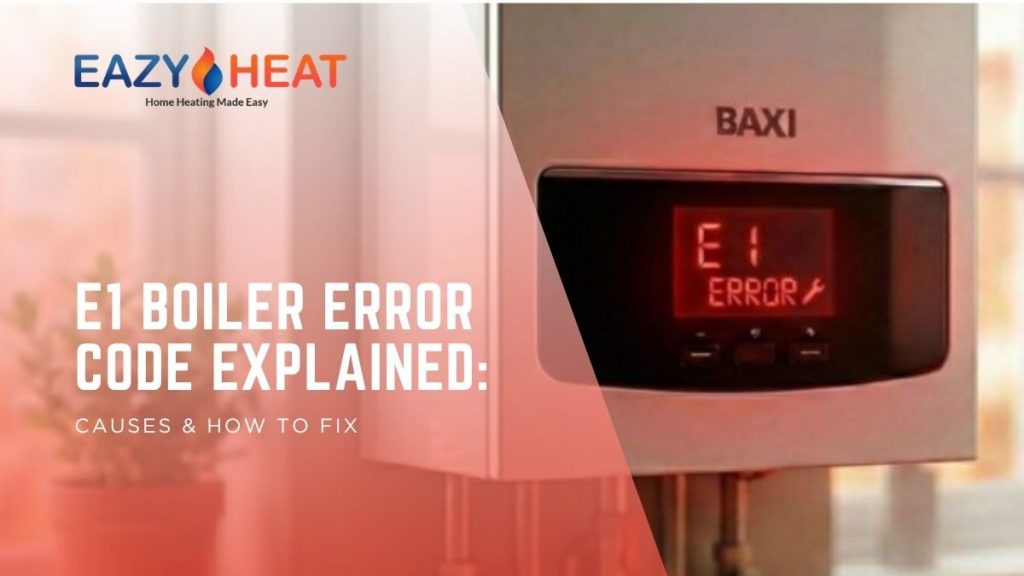
E1 Boiler Error Code Explained: Causes & How to Fix
Worcester Bosch Boiler Error Codes Explained: Causes and Fixes