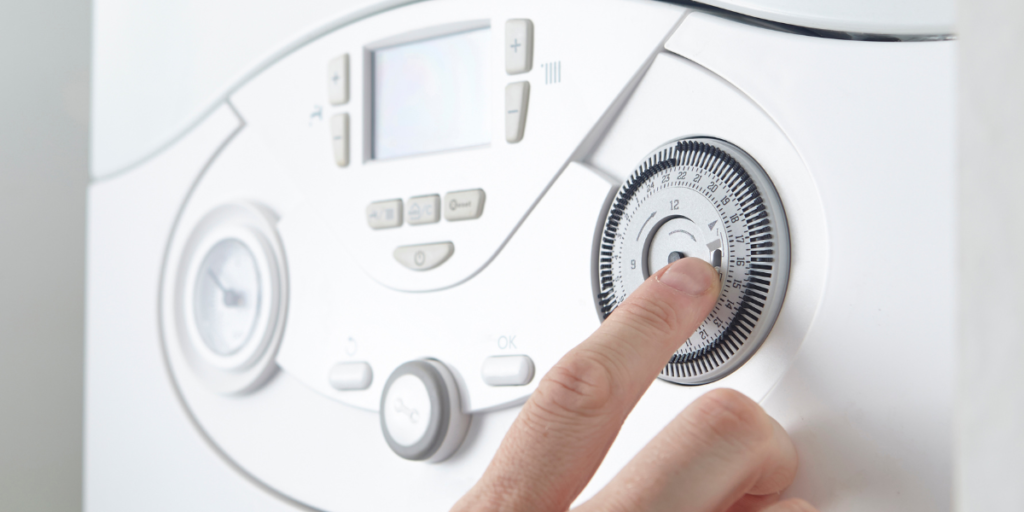

Intergas boiler error codes appear on the display to alert you to specific issues within your heating system. The most common ones include ignition failures, low water pressure, fan faults, and sensor problems. These codes help UK homeowners and landlords diagnose and resolve faults efficiently.
Intergas Boiler Error Codes: A Quick Overview
Intergas boiler error codes provide clear signals about what might be wrong with your system. Here is a comprehensive table with the full list of common error codes and their meanings.
| Error Code | Meaning |
| E1 | Low water pressure |
| E2 | Ignition failure |
| E3 | Flame loss |
| E4 | Fan fault |
| E5 | Sensor fault |
| E6 | Overheat lockout |
| E7 | Gas valve fault |
| E8 | Circulation fault |
| E9 | Control board fault |
Intergas Boiler Error Codes: Causes & How to Fix
Intergas boiler error codes cover a range of common heating challenges and understanding them helps you take effective action. We detail each major code with practical advice below.
E1 Low Water Pressure
E1 on your Intergas boiler means the system pressure has dropped too low for safe operation. This is one of the most frequent faults.
Causes
Small leaks in radiators or pipe joints, air entering the system after bleeding radiators, a faulty pressure relief valve, or gradual pressure loss over time are the usual reasons. In older properties, corrosion in pipes can accelerate this.
High demand during cold weather can also reveal weaknesses in the system that cause pressure to drop suddenly. Landlords often see this in rental properties where regular pressure checks have been overlooked, leading to tenant complaints about no heating.
How to Fix
- Locate the pressure gauge on the boiler and note the current reading, which should ideally be between 1 and 1.5 bar when the system is cold.
- Find the filling loop, usually a flexible hose with two valves underneath the boiler, and open the valves slowly while watching the gauge rise gradually to avoid over pressurising the system.
- Close the filling loop valves once the pressure reaches the correct level and carefully check for any drips or wet spots around radiators, valves, and visible pipework that could indicate leaks.
- Bleed air from all radiators starting from the highest point in the house by using a radiator key and collecting any water that comes out in a cloth or container.
- Reset the boiler using the reset button, run the heating for 30 minutes, and recheck the pressure gauge daily for the next week. If the pressure drops again, contact a Gas Safe engineer to locate and repair any hidden leaks in the system using specialist detection equipment.
E2 Ignition Failure
E2 indicates the boiler cannot light the flame properly. This safety lockout stops gas flow.
Causes
Gas supply interruptions, dirty ignition electrodes, or condensate pipe blockages are common causes. Low gas pressure from the supplier during peak times, air in the gas line after maintenance, or a faulty gas valve that does not open fully can also prevent the burner from igniting reliably. In properties with older pipework, debris in the gas line can restrict flow.
How to Fix
- Check your gas meter to ensure the supply valve is fully open and test other gas appliances in the home to confirm there is gas coming through.
- If you have a prepayment meter, add credit and restart the supply if necessary.
- Press and hold the reset button on the boiler control panel for the recommended time to attempt a restart.
- A Gas Safe registered engineer will remove the burner cover, clean the ignition electrodes with fine abrasive material or a specialist cleaner, and check the spark gap is correct according to the manual.
- The engineer will measure gas inlet pressure, purge any air from the line if necessary, test the gas valve, and run several ignition cycles while monitoring flame stability before returning the boiler to normal use.
Persistent intergas boiler error codes can lead to costly repairs. At Eazy Heat we help many customers with new boiler installations that save money in the long term. Get you free online boiler quote today. It just takes seconds.
E3 Flame Loss
E3 means the flame lit but then went out during operation. The boiler shuts down safely.
Causes
Gas pressure drops, blocked pipes, or sensor issues often cause this. Sudden changes in gas pressure during high demand, a partially blocked flue restricting exhaust, or a dirty flame sensor that cannot detect the flame properly are typical reasons. A faulty gas valve that does not maintain consistent flow or issues with the control board can also cause the flame to become unstable.
How to Fix
- Verify the gas supply by checking the meter and testing other appliances.
- Locate the condensate pipe outside and pour warm water over any frozen sections to thaw it gently without damaging the pipe.
- A Gas Safe engineer will access the burner, clean the flame sensor with fine sandpaper or a specialist cleaner, and inspect for any soot buildup.
- The engineer will test the gas valve for proper operation and adjust or replace it if it is sticking or faulty.
- After repairs, the engineer performs a full system test, checks flue gases with an analyser, and resets the boiler while monitoring for stable flame operation over several cycles.
E4 Fan Fault
E4 signals a problem with the fan that vents gases safely.
Causes
Blockages, worn motor, or wiring faults usually cause this. Dust and debris blocking the fan blades, a worn fan motor that cannot reach the correct speed, loose wiring connections from vibration, or a faulty air pressure switch can all prevent the fan from working properly. In some cases, a blocked flue restricts airflow and causes the fan to work harder or fail.
How to Fix
- Turn off the boiler at the mains isolator and ensure it is safe to work on.
- A Gas Safe engineer will inspect the fan and flue terminal for blockages and clean them thoroughly using specialist tools.
- The fan motor will be tested for correct speed and replaced if it is worn or seized.
- All wiring connections to the fan and air pressure switch will be checked and secured, with any damaged cables replaced.
- The engineer will run the boiler through diagnostic modes and use an analyser to confirm correct airflow and combustion before resetting the system.
E5 Sensor Fault
E5 indicates a temperature sensor is not reading correctly.
Causes
Worn sensors, loose wiring, or damage from age cause this. The sensor itself can degrade due to constant heat exposure, wiring connections can loosen from vibration, or damage from moisture or rodents can break the circuit. Poor water quality leading to scale around the sensor pocket can also affect readings.
How to Fix
- Turn off the boiler at the mains isolator and allow it to cool.
- A Gas Safe engineer will locate the affected sensor, disconnect it, and test its resistance with a multimeter against the manufacturer’s specifications.
- If the sensor is out of range, it will be replaced with a genuine part and the sensor pocket will be cleaned of any debris or scale.
- All related wiring will be inspected for continuity and any loose or corroded connections will be repaired or replaced.
- The boiler will be restarted, reset, and run through a full diagnostic cycle while the engineer monitors the sensor readings and system temperatures for accuracy.
E6 Overheat Lockout
E6 means the boiler has become too hot and locked out.
Causes
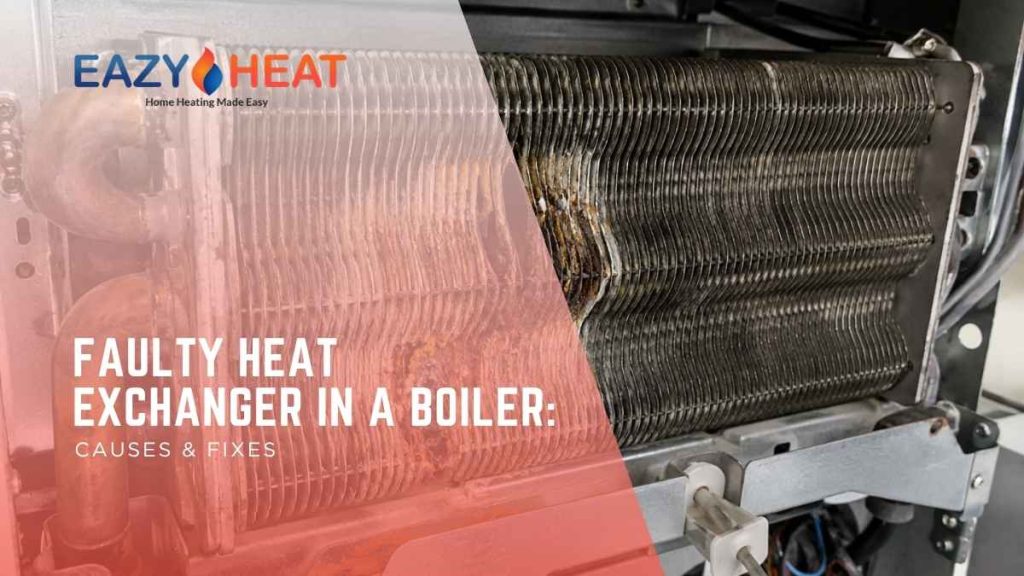
Poor flow, closed valves, or pump failure lead to this. Restricted water flow due to closed valves or blockages, a failing circulating pump, or heavy sludge and scale in the heat exchanger can cause overheating. A faulty temperature sensor that gives incorrect high readings can also trigger this lockout.
How to Fix
- Check that all radiator valves and any isolation valves on the flow and return pipes are fully open.
- Bleed air from all radiators starting from the highest point in the house.
- A Gas Safe engineer will perform a system power flush or use chemicals to remove sludge and scale from pipes and the heat exchanger.
- The circulating pump will be tested and replaced if it is not delivering the correct flow rate.
- Temperature sensors will be tested and replaced if faulty, the lockout will be reset, and the system will be run for an extended period while the engineer monitors temperatures at various points.
E7 Gas Valve Fault
E7 signals a problem with the gas valve controlling fuel flow.
Causes
A sticking valve, low voltage, or wiring issues cause this. The valve solenoid can fail electrically, mechanical parts can stick due to dirt or age, or wiring to the valve can become loose or damaged. Low voltage supply to the valve from the control board can also prevent proper operation.
How to Fix
- The boiler is safely isolated from gas and electricity.
- A Gas Safe engineer will test the gas valve electrically and mechanically for proper opening and closing.
- If the valve is faulty, it will be replaced with an approved component and all gas joints will be tested for leaks using detection fluid.
- Wiring to the valve will be inspected and repaired if damaged.
- The system will be purged of air, gas pressure will be verified, and multiple ignition cycles will be run to confirm stable gas delivery and burner operation.
E8 Circulation Fault
E8 indicates poor water circulation around the system.
Causes
Pump failure, air locks, or sludge buildup cause this. A seized or weak circulating pump, air locks in the pipes, closed valves, or sludge buildup restricting flow are common causes. In systems with underfloor heating, blockages in the loops can cause this fault.
How to Fix
- Open all radiator valves fully and bleed each radiator to remove trapped air.
- Check that the circulating pump is running when the boiler calls for heat.
- A Gas Safe engineer will isolate the pump, remove it if necessary, and either free a seized impeller or replace the entire unit.
- The complete heating system will be power flushed with specialist chemicals to remove sludge from pipes and radiators.
- The system will be refilled, bled again, and the boiler will be run through extended heating cycles while the engineer monitors flow rates and temperatures to confirm good circulation.
E9 Control Board Fault
E9 points to a problem with the main control board.
Causes
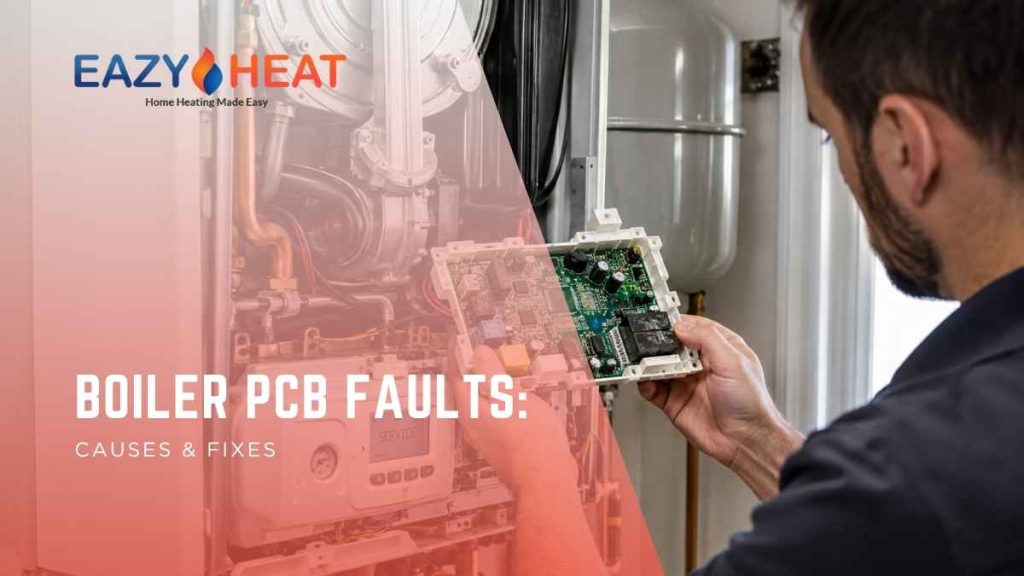
Electrical faults or age related failure cause this. Electrical surges, age related failure of the board, loose connections, or moisture damage in the boiler cupboard can cause this. Corrosion or manufacturing defects can also lead to board failure.
How to Fix
- The boiler is safely isolated from power.
- A Gas Safe engineer will inspect all wiring connections and plugs for looseness or corrosion.
- The control board will be tested with diagnostic equipment and replaced with a compatible unit if faulty.
- The electrical supply voltage will be checked for stability and any external interference sources addressed.
- The boiler will be reprogrammed if necessary and run through a full diagnostic sequence to confirm all components are communicating correctly.
Replace Your Faulty Intergas Boiler with a Reliable New Heating System
If your Intergas boiler keeps displaying error codes, repeated repairs can quickly become expensive and inconvenient. While some faults are simple to fix, ongoing issues such as ignition failures, low water pressure, or control board faults often indicate that your boiler is reaching the end of its working life.
At Eazy Heat, we make replacing your boiler straightforward. We provide new boiler installations for homeowners and landlords across the UK, with a fast, hassle-free process from quotation to installation. Every new boiler comes with a market-leading 12-year parts and labour warranty, giving you complete peace of mind for years to come.
Use our online boiler quotation tool to receive a clear, fixed price in just a few minutes. We’ll help you choose the right boiler for your property and arrange a professional installation at a time that suits you, so you can enjoy reliable, energy-efficient heating without the worry of recurring boiler faults.
FAQs
How often should Intergas boilers be serviced?
Annual servicing helps prevent error codes and maintains efficiency.
Can I reset Intergas error codes myself?
Simple resets are okay, but repeated faults need professional help.
Are Intergas boilers suitable for larger homes?
Yes, when sized correctly they provide reliable heating.
What should landlords do about error codes?
Arrange prompt repairs to maintain tenant comfort.
Do newer Intergas models have better diagnostics?
Modern units include advanced monitoring for easier troubleshooting.