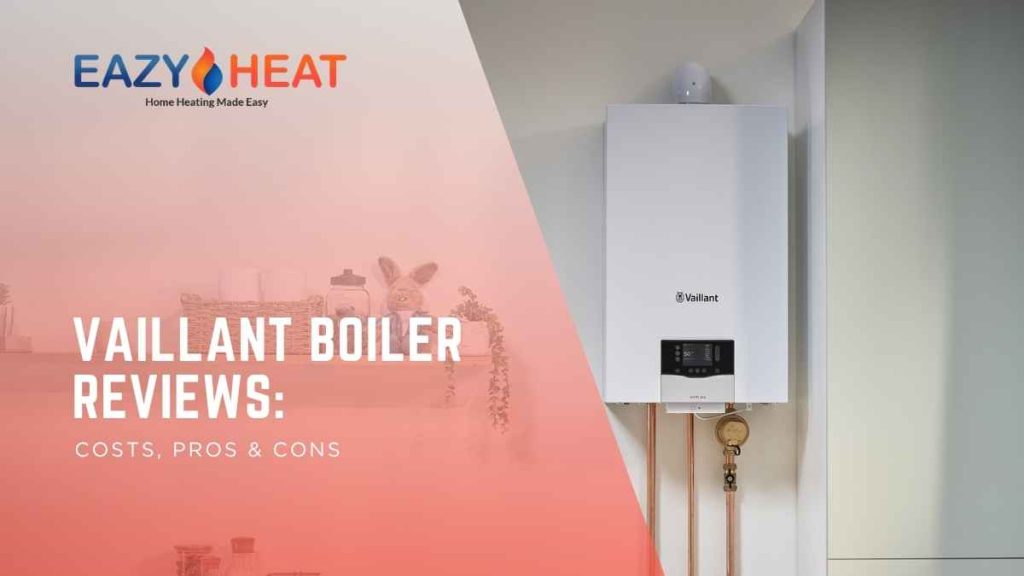

Your Vaillant boiler showing the F83 fault code usually means the system is not detecting the expected temperature rise between the flow and return pipes after the burner starts. This safety lockout protects the boiler from damage due to poor circulation.
What does the Vaillant boiler F83 fault code mean?
The Vaillant boiler F83 fault code means the boiler has detected little or no temperature difference between the flow and return sensors shortly after firing up. The system assumes circulation is not happening properly and locks out to prevent overheating or dry running. You will typically have no heating or hot water until the cause is fixed.
It is a common alert that often points to simple pressure or air problems but can sometimes involve sensors or the pump.
What causes the F83 fault code on your Vaillant Boiler?
The F83 fault code on your Vaillant boiler is most often caused by anything that stops proper water flow through the system, such as low pressure, trapped air, a struggling pump or sensor issues. These prevent the expected temperature change between the outgoing hot water and returning cooler water.
Low System Water Pressure
Low water pressure is one of the most frequent triggers for the F83 error code. When pressure drops below around 1 bar, there is not enough water moving through the boiler and pipes, so the sensors do not register a normal temperature rise. This can happen after bleeding radiators, from small leaks or gradual loss over time.
In older properties with original pipework this fault appears more often during the heating season.
How to Fix
- Locate the pressure gauge on your Vaillant boiler, usually on the front panel. Check the reading when the system is cold. The safe range is normally 1 to 1.5 bar.
- If the gauge is low, find the filling loop. This is typically a flexible silver hose with two black levers or valves underneath the boiler.
- Turn off the boiler and let it cool. Slowly open both valves a little at a time while watching the gauge. Add water gradually until the pressure reaches about 1.2 to 1.5 bar. Avoid going over 1.5 bar.
- Close both valves tightly and check for any drips around the connection.
- Press and hold the reset button on the boiler for several seconds to clear the fault. Turn the heating on and monitor the pressure and radiator warmth for the next few hours. If pressure falls again quickly, arrange a professional leak check.
Trapped Air or Airlocks in the System
Air trapped in radiators or pipes creates airlocks that block normal water flow. This means hot water does not circulate properly, so the flow and return sensors see little temperature difference. Air often gets in after bleeding radiators, maintenance work or when the system has been off for a while.
How to Fix
- Turn off the boiler and allow the system to cool completely.
- Starting with the downstairs radiators, use a radiator key to bleed each one carefully. Open the valve at the top until air hisses out, then close it when water flows steadily. Have a cloth and container ready to catch drips.
- Work your way upstairs and pay special attention to any radiators that feel cold at the top.
- After bleeding, check and top up the system pressure using the filling loop method if it has dropped.
- Reset the boiler and run the heating on high for a while to help move any remaining air through the system. Repeat bleeding if necessary.
Pump or Circulation Problems
The circulation pump may be running slowly, seized or struggling due to wear, sludge or electrical issues. When the pump cannot move water effectively, the temperature sensors do not see the expected change. This is common in systems that have not been serviced regularly.
How to Fix
- Listen near the boiler when it tries to start. A humming sound without proper flow can indicate a pump issue.
- Check and top up pressure, then bleed radiators as described above.
- If the fault persists, call a Gas Safe registered engineer. They can test the pump speed, free a seized pump or replace it if necessary.
- The engineer will also check for sludge and may recommend a system flush during the visit.
- After any pump work, reset the boiler, run the heating and monitor for even warmth across all radiators.
Ongoing circulation faults like the Vaillant F83 code can become frustrating and expensive with repeated repairs. At Eazy Heat we often advise UK landlords and homeowners that a new boiler installation can reduce these issues significantly and save money in the long term.
Get your free online boiler quote today.
When should you call a professional for your Vaillant boiler F83 fault code?
You can safely check pressure and bleed radiators yourself, but persistent faults, pump problems or suspected sensor issues need a Gas Safe registered engineer. They have the right equipment to diagnose and repair safely.
How to prevent future F83 faults on your Vaillant boiler
Check your boiler pressure monthly and bleed radiators at the start of the heating season. Annual servicing catches pump wear and sludge early. Properly maintained boilers in the UK experience fewer faults and help keep energy bills lower as households focus on efficiency.
Is Your Vaillant Boiler Showing the F83 Fault Code Repeatedly?
If your Vaillant boiler F83 fault code keeps returning, it could be a sign that your heating system is developing more serious circulation or component issues. While topping up the pressure or bleeding radiators may provide a temporary fix, recurring faults often indicate it’s time to consider a more reliable, energy-efficient solution.
At Eazy Heat, we make replacing your boiler straightforward. We provide fast, hassle-free boiler installations for homeowners and landlords across the UK, complete with a market-leading 12-year parts and labour warranty for complete peace of mind. Our simple online quotation tool gives you a fixed price in just a few steps, making it easy to see how much your new boiler will cost with no hidden surprises.
Get your free online boiler quote today and discover how affordable it is to upgrade to a reliable new boiler with Eazy Heat.
FAQs
How dangerous is the F83 fault if ignored?
It is not immediately dangerous but can lead to overheating or pump damage if left for long. Address it promptly to protect your system.
Can low pressure alone cause repeated F83 codes?
Yes, especially if there is an underlying leak. Fixing leaks is important to stop the cycle of topping up.
Will power flushing always solve F83 faults?
It helps clear sludge that restricts flow in many cases, but the engineer will confirm if the pump or sensors also need attention.
Are older Vaillant boilers more prone to F83 errors?
Yes, as pumps and sensors wear over time. Many owners upgrade after 10 to 15 years for modern efficiency.
What should landlords do when tenants report an F83 code?
Arrange a professional inspection quickly to maintain safety standards and tenant comfort. An upgrade may be a cost effective long term option.