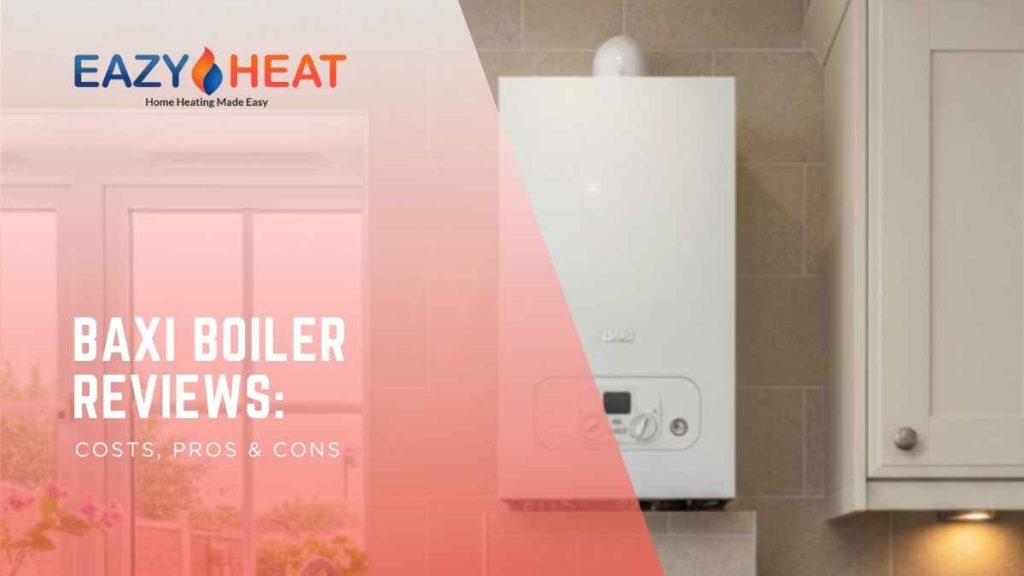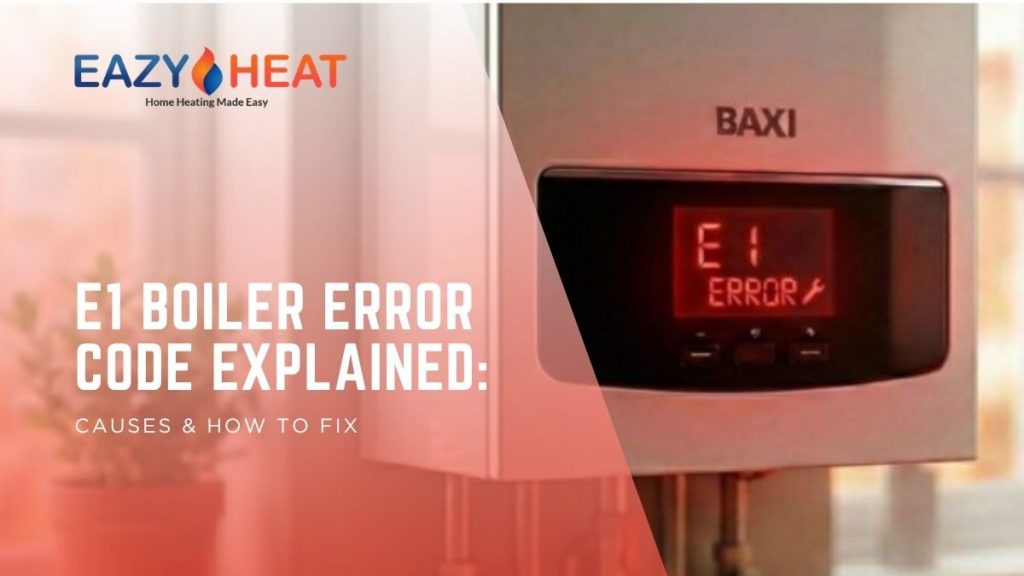

Your Baxi boiler displaying the E1 error code usually means the system has detected low water pressure or overheating and has safely shut down to protect itself. This common fault is one of the most reported issues on Baxi models and often leaves UK homes without reliable heating or hot water until resolved.
What does the Baxi boiler E1 error code mean?
The Baxi boiler E1 error code means the boiler has low water pressure or has overheated, triggering a safety lockout. When pressure drops too low or water flow is restricted, the system cannot circulate heat safely and shuts down. You will typically see the pressure gauge reading below 1 bar when this happens.
It serves as an early warning that something in the heating system needs attention before minor issues become major headaches.
Seeing the E1 error repeatedly on your Baxi boiler can quickly turn into multiple engineer visits and higher costs over time. Many of the homeowners and landlords we support at Eazy Heat discover that investing in a new boiler installation saves money in the long run while delivering more consistent performance.
What causes the E1 error code on your Baxi Boiler?
The E1 error code on your Baxi boiler is most often triggered by anything that lowers system pressure or restricts water flow, such as leaks, air in the pipes or build up inside the system. These problems prevent proper circulation and cause the boiler to overheat or lose pressure, leading to the lockout.
Low System Water Pressure
Low water pressure happens when the amount of water in the sealed heating circuit drops below the safe operating level, usually under 1 bar. This is extremely common after bleeding radiators, small unnoticed leaks or natural gradual loss over months. Without enough pressure the pump struggles to move water, heat builds up in one area and the boiler shuts down for safety.
In older UK homes with original pipework this fault appears more frequently during colder months when the system works harder.
How to Fix
- Locate the pressure gauge on the front of your Baxi boiler. Note the reading when the system is cold. The ideal range is between 1 and 1.5 bar.
- If the gauge shows below 1 bar, find the filling loop. This is usually a pair of flexible silver braided hoses with black levers or valves underneath the boiler.
- Ensure the boiler is turned off and cool. Slowly open both valves on the filling loop a little at a time while watching the gauge. Add water gradually until the pressure reaches around 1.2 to 1.5 bar. Do not exceed 1.5 bar to avoid over pressurising.
- Close both valves firmly once the correct pressure is reached. Wipe any drips and check for leaks around the filling loop.
- Press and hold the reset button on the boiler for a few seconds to clear the error. Turn the heating on and monitor the pressure gauge and radiators for the next few hours. If pressure drops again quickly, there is likely a leak that needs professional attention.
Leaks in the Heating System
Leaks are a leading cause of ongoing low pressure. Water can escape from worn radiator valves, corroded joints, the expansion vessel or even tiny pinholes in pipes. You might notice damp patches on walls, higher than normal water bills or hissing sounds.
Even slow leaks of a few drops per hour can drop pressure enough to trigger the E1 fault code over days or weeks. In properties with older radiators or original pipework this is especially common.
How to Fix
- Walk around your property and carefully inspect all visible pipes, radiator connections, the boiler itself and the cylinder if you have one. Look for water stains, drips or corrosion.
- Feel under radiators and along pipe runs for dampness. Turn off individual radiator valves one by one if you suspect a particular radiator is leaking.
- Top up the pressure using the filling loop method described above to get the system running temporarily.
- Call a Gas Safe registered engineer immediately if you find any leaks. They will isolate the problem area, repair or replace faulty parts and repressurise the system safely. Do not attempt to fix leaks involving gas components yourself.
- After repairs, recheck pressure daily for a week and bleed radiators if needed to remove any air introduced during work.
Blocked or Sludgy System
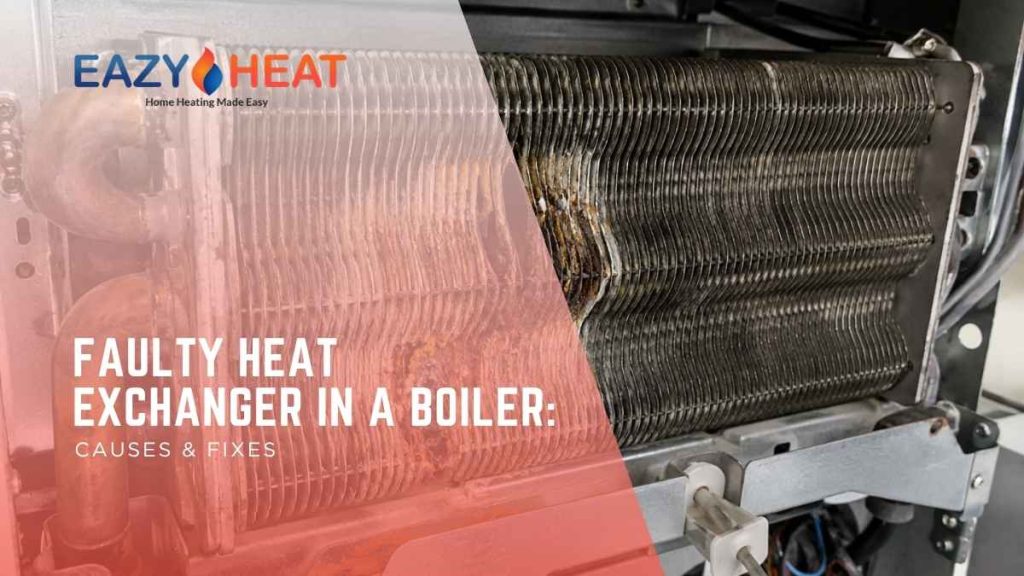
Over years of use, black iron oxide sludge, limescale and debris build up inside pipes, radiators and the heat exchanger. This restricts water flow, causes uneven heating and forces the boiler to work harder, leading to pressure drops and overheating.
Hard water areas in the UK see this problem more often, especially in systems that have never had a proper clean. You may notice some radiators staying cold at the bottom while others heat normally.
How to Fix
- Bleed all radiators thoroughly starting from the lowest in the house and working upwards. Collect the water in a container and note if it is discoloured or contains sludge.
- Top up the system pressure after bleeding.
- Arrange a professional power flush or chemical clean with a Gas Safe engineer. They will circulate a cleaning solution through the entire system for several hours, remove the sludge and refill with fresh water plus an inhibitor.
- Once cleaned, ask the engineer to install a magnetic filter on the return pipe to catch future debris.
- Reset the boiler and run the heating on high for a day to circulate the fresh water. Schedule annual servicing to keep the system clear.
When should you call a professional for your Baxi boiler E1 error?
You can safely repressurise and bleed radiators yourself, but leaks, system cleans or repeated faults require a Gas Safe registered engineer. They have the tools and expertise to find hidden problems and make safe repairs.
How to prevent future E1 errors on your Baxi boiler
Check your pressure gauge monthly and top up when needed. Bleed radiators at the start of the heating season. Annual servicing is the best way to catch leaks and sludge early. Across the UK, properly maintained boilers use less energy and break down less often, which helps households keep bills under control.
Is Your Baxi Boiler E1 Error Keeping Coming Back?
If your Baxi boiler E1 error code keeps appearing even after repressurising the system or bleeding your radiators, it may be a sign that your boiler has underlying issues such as internal corrosion, persistent leaks, or worn components. While a repair may solve the immediate problem, recurring faults often become more frequent as boilers age, resulting in higher repair costs and unreliable heating.
At Eazy Heat, we help homeowners and landlords across the UK upgrade to modern, energy-efficient boilers with a fast, hassle-free installation service. Our experienced engineers ensure your new boiler is installed to the highest standard, giving you dependable heating and hot water for years to come.
Every installation includes a market-leading 12-year parts and labour warranty, providing complete peace of mind from day one. With our simple online quotation tool, you can receive a fixed boiler replacement quote in just a few minutes, making it easy to understand your options before booking your installation.
Get your free online boiler installation quote today and discover how affordable it is to replace an unreliable boiler with a high-performance heating system from Eazy Heat.
FAQs
How quickly can low pressure damage my boiler?
Prolonged low pressure can strain the pump and heat exchanger within weeks. Addressing the E1 code promptly protects these expensive components.
Will adding inhibitor chemicals stop E1 errors?
Inhibitors reduce sludge build up that contributes to pressure loss, but they work best alongside regular servicing and leak repairs.
Can I use the heating with the E1 code showing?
It is not recommended. The boiler has locked out for safety. Fix the pressure or circulation issue first to avoid further damage.
Are there grants available for replacing an old boiler with E1 faults?
Depending on your circumstances, schemes like the Boiler Upgrade Scheme may offer support towards more efficient systems. Our team can discuss current options during a quote.
What maintenance schedule prevents most E1 errors?
Annual servicing plus monthly pressure checks and seasonal bleeding of radiators keep the vast majority of systems trouble free. Landlords should keep clear records for compliance.